
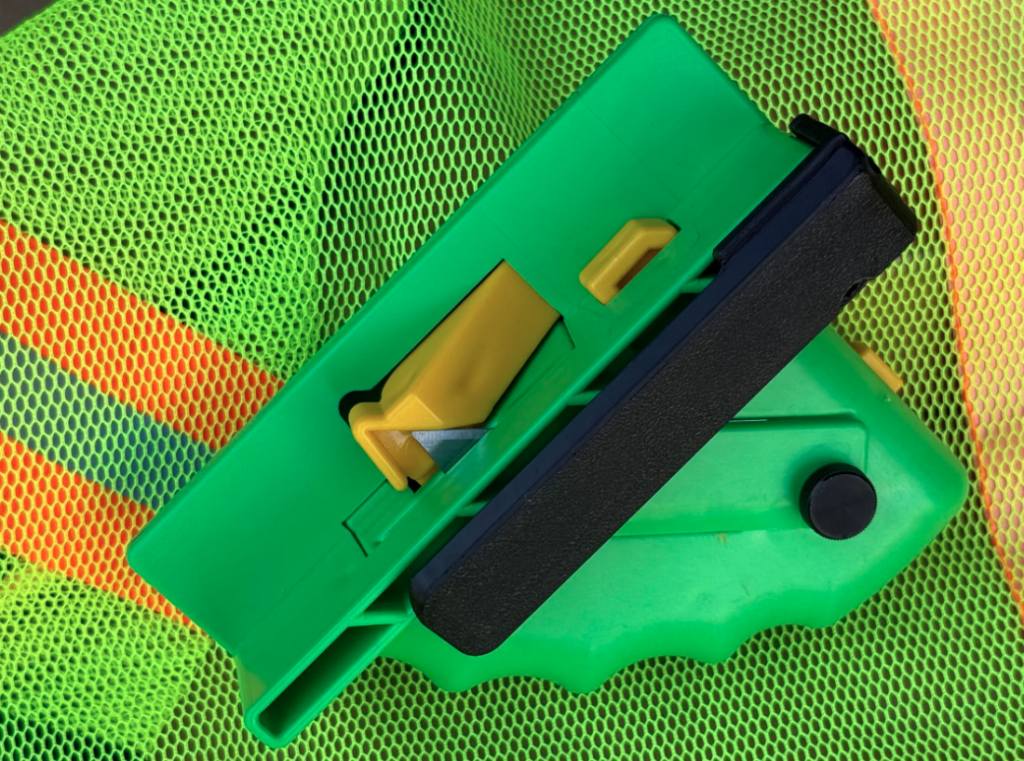
Choosing the right tools at work isn’t just about efficiency, it’s about safety. A simple tool like a Safest Box Knife for Workers can make a huge difference in preventing cuts and injuries. Handling boxes and packaging every day may feel routine, but slips, uneven cuts, and sudden accidents happen more often than you might think.
Picking a knife that fits your hand, cuts cleanly, and has safety features can protect both you and your coworkers while making daily tasks smoother. Small changes in how you handle tools can make your workday safer, easier, and less stressful. Most workplace hand injuries happen due to improper cutting tools and rushed handling.
Why the Right Box Knife Matters
Even a small mistake with a box cutter can lead to serious injuries. Choosing a well-designed knife reduces risks, protects your hands, and improves workflow.
- Ergonomics: Knives with hand-shaped grips reduce strain on your hands, wrists, and fingers. Long shifts can cause fatigue, and a proper grip keeps your movements precise and safe.
- Blade Control: A movable guard that covers the blade prevents accidental slips. When the blade is covered after a cut, it reduces the chance of cutting yourself when not in use.
- Durability: A sturdy knife with a sharp blade stays reliable and effective. Dull knives require extra force, which can lead to slips and accidents.
- Precision: Sharp adjustable blades lead to less pressure needed, protecting your hands and improving speed. Proper cutting techniques also reduce the risk of damage to goods or packaging.
Choosing the right knife isn’t just about safety; it makes tasks faster and less tiring. A reliable tool like the Safest Box Knife for Workers ensures every cut is controlled and secure. Our knives use the powerhouse of the body and are used pulling towards the person, making each cut more natural and efficient.
Practical Tips for Workplace Safety
Safety isn’t only about having a good knife it’s about how you use it every day. Adopting simple habits can prevent accidents and keep your team safe.
- Inspect Before Use: Always check blades for damage or wear. A bent or dull blade increases the effort needed and the risk of slips.
- Cut Away from Your Body: Keep hands, fingers, and arms out of the cutting path. Even small slips can cause serious injuries.
- Use the Right Knife for the Task: Avoid using knives designed for light tasks on heavy boxes. Tools should match the material and thickness of what you’re cutting.
- Wear Protective Gear: Gloves can protect against minor nicks and provide a better grip, especially during repetitive tasks.
- Train Employees: Even the safest knives need responsible handling. Teach proper techniques, encourage breaks to reduce fatigue, and explain the importance of inspecting tools before use.
- Stay Focused: Distractions increase accidents. Encourage a workplace culture where concentration during cutting tasks is valued.
Companies like Cardboard Piranha follow strong safety habits to keep warehouse work smooth and accident-free. When teams use the right tools and follow safe cutting practices every day, injuries happen less often. This approach helps workers feel confident, stay focused, and complete their tasks safely and efficiently.
Examples of Safe Knife Use
Consider a warehouse worker handling multiple heavy boxes. Without proper tools, he might struggle, applying too much force or using a dull knife. This could easily lead to a slip or cut.
With a Warehouse Safety Knife, the movable guard covers the blade automatically, the hand-shaped grip fits comfortably in his hand, and cutting requires minimal effort. Not only is the task safer, but it is also faster and less tiring.
In another scenario, a worker handling delicate products might need precision cuts. A knife designed for controlled, accurate slicing ensures boxes are opened without damaging contents. Using the right knife reduces stress and keeps operations running smoothly.
Benefits Beyond Safety
Choosing the right box knife doesn’t just prevent injuries. It improves productivity and reduces fatigue. Workers are more confident and efficient when their tools are reliable.
- Cuts take less time and effort
- Fewer mistakes mean less wasted material
- Workers feel safer, which boosts morale
- Training time is reduced when knives are intuitive to use
A well-chosen knife is a small investment that pays off in fewer accidents, faster work, and happier employees.
Conclusion
Choosing the right box knife can transform workplace safety. A Safest Box Knife for Workers combined with proper handling habits prevents injuries, improves efficiency, and gives workers confidence. From inspecting blades to proper cutting techniques, small precautions make a big difference.
Your knife isn’t just a tool it’s a way to protect hands, reduce stress, and ensure every day at work ends safely. Choosing a safer box knife today can help prevent injuries tomorrow.
FAQs About Box Knife Safety
1. How do I know which box knife is safest for workers?
Look for knives with hand-shaped grips, movable guards that cover the blade, and sharp construction. Features that reduce slips and hand strain are essential.
2. Can a warehouse safety knife reduce accidents?
Yes. Safety cutters are designed to control blade depth, keep the blade covered, and control movement. This reduces slips, deep cuts, and hand strain over time.
3. How often should blades be replaced?
Blades should be replaced as soon as they show signs of dullness. Dull knives require more force, increasing the risk of slips and injury.
4. Are movable guards better than fixed blades?
Generally, yes. Movable guards that cover the blade minimize the chance of accidental cuts when the knife is not in use and make storage safer.
5. Can gloves improve knife safety?
Yes, gloves provide better grip and protect hands from minor cuts, especially during repetitive tasks.